
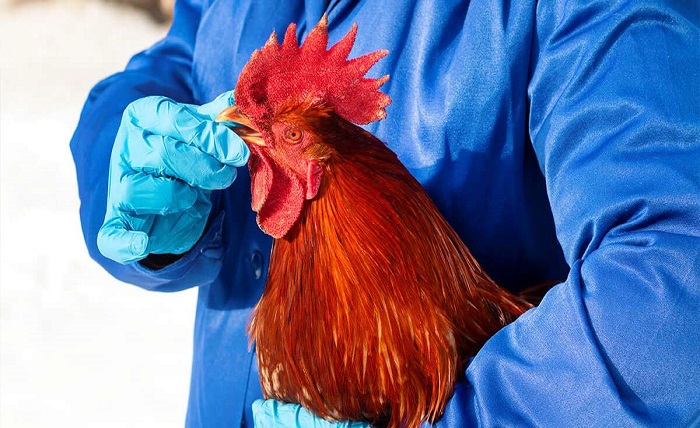
The concept of identifying winning gamefowls extends far beyond surface appearance or size alone. Experienced evaluators focus on movement, and adaptability to determine whether a gamefowl can consistently perform at a high level. This article explores the key elements that shape reliable and informed assessments at cwin.
Identifying winning gamefowls through physical characteristics
Physical traits often provide the earliest clues when evaluating a potential champion, especially before observing performance in real conditions. When applied correctly, visual assessment helps narrow choices and supports identifying winning gamefowls with higher accuracy on platforms like cwin
Body structure and overall balance
A well-proportioned body reflects strength distribution and movement efficiency, which are essential indicators during early selection. Winning gamefowls often show broad shoulders, a firm chest, and balanced weight from front to back. These traits suggest stability, endurance, and better control in competitive situations.
Feather quality and skin condition
Healthy feathers and skin signal proper development and resilience. Smooth, glossy plumage usually indicates good metabolism and resistance to stress, while tight skin reflects muscle density underneath. These subtle signs are frequently used by experienced breeders when identifying winning gamefowls at first glance.
Head shape, eyes, and beak indicators
When examining the head area, players often rely on several visual markers to make quick judgments, including:
- Clear, alert eyes that show focus and responsiveness.
- A strong, slightly curved beak indicating gripping ability.
- A compact head shape that supports balance and reaction speed.
Leg build and stance evaluation
Leg strength plays a major role in power generation and agility, making stance analysis extremely valuable. Key points commonly observed include:
- Straight, solid legs with visible tendons.
- Even spacing between legs when standing naturally.
- Firm footing that suggests confidence and coordination.
Identifying winning gamefowls through physical characteristics
Behavioral patterns that signal competitive potential
Beyond appearance, behavior reveals how a gamefowl reacts under pressure and adapts to different situations during real encounters. Observing these patterns helps refine judgments and supports identifying winning gamefowls more effectively when selecting on platforms like cwin. Key behavioral signs that indicate strong competitive potential include:
- Alertness and awareness: A competitive gamefowl remains highly responsive to surrounding movement and sound. This sharp awareness reflects quick reaction speed and better situational control.
- Controlled aggression: Strong candidates display assertive behavior without reckless attacks. Balanced aggression allows them to pressure opponents while conserving energy.
- Endurance-driven movement: Consistent pacing and steady motion suggest stamina and efficient energy use. This trait becomes crucial during extended competitive phases.
- Adaptability under stress: Gamefowls that adjust posture and tactics when challenged often outperform rigid counterparts. Adaptability signals intelligence and experience growth.
Behavioral patterns that signal competitive potential
Bloodlines and genetics in identifying winning gamefowls
Genetic background plays a decisive role in shaping performance, endurance, and adaptability over time. Understanding lineage helps breeders and players refine selection strategies, especially when identifying winning gamefowls for long-term potential at cwin.
The importance of proven bloodlines
Established bloodlines often carry consistent performance traits passed down through generations. These lines are known for stable temperament, endurance, and predictable fighting styles. Evaluating ancestry allows selectors to reduce uncertainty and focus on reliability rather than chance.
Inherited physical and behavioral advantages
Genetics influence not only body structure but also instinctive reactions and learning speed. Gamefowls from strong lineages tend to develop muscle density faster and respond better to training routines. These inherited advantages become clearer when identifying winning gamefowls beyond surface-level traits.
How breeders track genetic consistency
To ensure genetic stability, experienced breeders rely on several key practices, including:
- Maintaining detailed breeding and performance records.
- Selecting parent stock with proven competitive history.
- Avoiding excessive crossbreeding that dilutes core traits.
Balancing genetics with environment
While genetics set the foundation, environment determines how much potential is realized. Proper care, nutrition, and conditioning allow strong bloodlines to express their full capabilities. This balance ensures genetic advantages translate into real competitive outcomes rather than remaining theoretical.
Bloodlines and genetics in identifying winning gamefowls
Practical tips for observing gamefowls more accurately
Accurate observation requires a structured approach that minimizes bias and highlights repeatable patterns over time. Applying these practical methods will strengthen evaluations and support identifying winning gamefowls with greater confidence, especially when selections are made through cwin.
Observe over multiple sessions
Consistent observation across different times and conditions reveals stable traits rather than one-off behaviors. Gamefowls that maintain posture, alertness, and movement quality over repeated sessions are more likely to show true potential. This method reduces misjudgment caused by temporary stress or fatigue.
Create a focused observation checklist
Before evaluating, it helps to define what to look for so attention stays consistent. A simple checklist often includes:
- Posture stability and balance while standing and moving.
- Eye focus and responsiveness to external stimuli.
- Recovery speed after short bursts of activity.
Compare individuals under similar conditions
To avoid skewed results, comparisons should be made in controlled, similar environments. Effective comparison involves:
- Observing gamefowls at the same time of day.
- Using identical space and movement duration.
- Recording notes immediately to avoid memory bias.
Track observations using a simple evaluation table
Using a table helps standardize notes and makes patterns easier to spot over time when identifying winning gamefowls.
| Observation factor | What to record | Evaluation focus |
| Posture & stance | Standing balance, leg alignment | Stability, confidence |
| Responsiveness | Reaction to sound or movement | Awareness, reflexes |
| Movement quality | Smoothness, pacing consistency | Endurance potential |
| Recovery speed | Time to calm after activity | Physical efficiency |
Avoid relying on single standout traits
Strong evaluation comes from combining multiple indicators rather than chasing one impressive feature. Useful reminders include:
- No single trait guarantees competitive success.
- Balanced profiles outperform extreme strengths.
- Patterns over time matter more than first impressions.
Practical tips for observing gamefowls more accurately
Conclusion
The process of identifying winning gamefowls becomes clearer when multiple indicators are analyzed together rather than in isolation. Accurate observation, supported by experience and reliable reference points, helps reveal true competitive potential. This balanced approach allows readers to move forward with sharper judgment and long-term confidence at https://advanced-composites.co/