
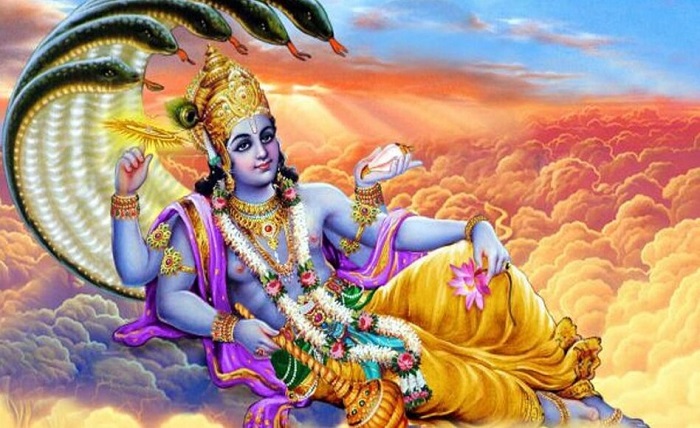
The question ekadashi kab hai is searched by millions of devotees every month because Ekadashi is one of the most sacred fasting days in Hinduism. Dedicated to Lord Vishnu, Ekadashi falls twice every lunar month and holds deep spiritual importance for devotees seeking peace, prosperity, and liberation.
Understanding ekadashi kab hai is essential for people who observe fasts and religious rituals according to the Hindu calendar. Since Ekadashi dates change every month based on lunar phases, devotees regularly look for updated timings and fasting schedules.
In Hindu traditions, ekadashi kab hai is not only about knowing the date but also understanding the spiritual meaning behind the fast. Observing Ekadashi with devotion is believed to cleanse the mind, body, and soul while helping devotees connect with divine energy.
This complete guide on ekadashi kab hai will explain the importance of Ekadashi, fasting methods, benefits, different types of Ekadashi, and commonly asked questions related to this sacred day.
What is Ekadashi and Why Ekadashi Kab Hai is Important
The term ekadashi kab hai refers to the eleventh lunar day of both the waxing and waning moon phases in the Hindu calendar. Since there are two lunar cycles each month, devotees observe two Ekadashi fasts monthly.
The reason people search for ekadashi kab hai regularly is because each Ekadashi has unique significance and different rituals associated with it. Some Ekadashi fasts are believed to remove sins, while others are linked to prosperity, health, and spiritual growth.
In Hindu scriptures, ekadashi kab hai is associated with Lord Vishnu, who is worshipped on this auspicious day. Devotees perform fasting, meditation, chanting, and prayers to receive divine blessings.
The spiritual significance of ekadashi kab hai is mentioned in ancient texts like the Padma Purana and Bhavishya Uttara Purana, where Ekadashi fasting is described as highly rewarding for spiritual purification.
Spiritual Importance of Ekadashi Kab Hai
The spiritual importance of ekadashi kab hai is deeply connected with self-discipline and devotion. Fasting on Ekadashi is believed to help devotees control desires and improve spiritual awareness.
Many devotees believe that observing ekadashi kab hai with sincerity removes negative karma and helps achieve inner peace. It is also considered a powerful practice for strengthening faith in Lord Vishnu.
According to Hindu beliefs, ekadashi kab hai is a sacred opportunity to focus on prayer, meditation, and chanting Vishnu mantras instead of worldly distractions.
Temples dedicated to Lord Vishnu become especially crowded during ekadashi kab hai, as devotees gather for special prayers and bhajans. The atmosphere of devotion and spirituality creates a sense of divine connection.
For spiritual seekers, ekadashi kab hai represents a day of purification where physical fasting combines with mental discipline and devotion.
Types of Ekadashi and Understanding Ekadashi Kab Hai
There are 24 major Ekadashi fasts in a year, which is why people continuously search for ekadashi kab hai throughout the year.
Some popular Ekadashi fasts include:
Devshayani Ekadashi
Devotees searching for ekadashi kab hai often pay special attention to Devshayani Ekadashi because it marks the beginning of Lord Vishnu’s cosmic sleep.
Nirjala Ekadashi
Among all fasts related to ekadashi kab hai, Nirjala Ekadashi is considered one of the most difficult because devotees avoid both food and water.
Vaikuntha Ekadashi
This is one of the most celebrated forms of ekadashi kab hai, especially in South India, where devotees believe the gates of Vaikuntha open on this day.
Mohini Ekadashi
Mohini Ekadashi is associated with purification and spiritual upliftment.
Putrada Ekadashi
People observe this Ekadashi while praying for children and family happiness.
Each type of ekadashi kab hai carries unique stories, rituals, and spiritual rewards according to Hindu scriptures.
Fasting Rules for Ekadashi Kab Hai
One of the most important aspects of ekadashi kab hai is observing the fast properly according to traditional rituals.
Most devotees observing ekadashi kab hai avoid grains, rice, and certain vegetables during the fasting period. Some people consume fruits, milk, nuts, and vrat-friendly foods.
Strict fasting during ekadashi kab hai may involve complete abstinence from food and water, while others may follow partial fasting depending on health and personal beliefs.
Devotees usually begin preparations for ekadashi kab hai the previous night by eating simple satvik food and avoiding negative thoughts.
Prayer and chanting are essential parts of ekadashi kab hai, as devotees spend more time reading religious scriptures and worshipping Lord Vishnu.
Breaking the fast, known as Parana, is also important in ekadashi kab hai. Devotees must break the fast at the correct time on the following day according to the Hindu calendar.
Health and Spiritual Benefits of Ekadashi Kab Hai
Besides religious importance, many people believe ekadashi kab hai offers physical and mental health benefits as well.
Fasting during ekadashi kab hai may help the digestive system rest and improve detoxification. Many experts believe occasional fasting can support better metabolism and mental clarity.
The mental discipline practiced during ekadashi kab hai also promotes emotional control and mindfulness. By avoiding distractions and focusing on spirituality, devotees often experience inner calmness.
Spiritually, ekadashi kab hai is believed to purify negative thoughts and increase positive energy. Devotees often report feeling spiritually refreshed after completing the fast.
Meditation and chanting during ekadashi kab hai can reduce stress and improve concentration, making the practice beneficial for both spiritual and mental well-being.
How Families Celebrate Ekadashi Kab Hai
In many Indian households, ekadashi kab hai is celebrated with devotion, prayers, and family gatherings. Families wake up early, clean the house, and prepare for worship.
Women often search for ekadashi kab hai to organize fasting rituals and prepare vrat-friendly meals for the family.
Temples hold special events during ekadashi kab hai, including bhajans, kirtans, and Vishnu Sahasranama recitations.
Children are also taught the spiritual meaning of ekadashi kab hai, helping preserve religious traditions and cultural values.
Some devotees donate food and clothes to the needy during ekadashi kab hai, believing that charity increases spiritual merit.
Modern Relevance of Ekadashi Kab Hai
In today’s fast-paced lifestyle, the significance of ekadashi kab hai continues to remain strong among millions of devotees worldwide.
With the rise of digital calendars and mobile apps, people can easily check ekadashi kab hai and receive reminders for fasting dates and rituals.
Young generations are increasingly exploring ekadashi kab hai not only for religious reasons but also for mindfulness and wellness benefits.
Social media platforms and spiritual websites regularly share updates about ekadashi kab hai, making it easier for devotees to stay informed.
Despite modern lifestyles, the spiritual practice of ekadashi kab hai continues to inspire discipline, devotion, and cultural connection.
Common Mistakes to Avoid During Ekadashi Kab Hai
Many devotees unknowingly make mistakes while observing ekadashi kab hai, which can affect the spiritual experience.
One common mistake during ekadashi kab hai is consuming prohibited foods such as rice and grains. Traditional fasting guidelines should be followed carefully.
Another mistake in ekadashi kab hai is focusing only on food restrictions while ignoring prayer and devotion. Spiritual discipline is equally important.
Improper timing for breaking the fast is also a common issue during ekadashi kab hai. Devotees should follow the correct Parana time according to the calendar.
Overexertion and lack of hydration can create health issues during strict fasting for ekadashi kab hai, especially for elderly devotees.
Conclusion
In conclusion, ekadashi kab hai is much more than a calendar date in Hindu tradition. It represents spiritual discipline, devotion to Lord Vishnu, self-control, and inner purification.
By understanding the meaning and rituals associated with ekadashi kab hai, devotees can observe the fast with greater sincerity and spiritual awareness.
Whether practiced for religious devotion, mental peace, or health benefits, ekadashi kab hai continues to hold immense importance in Hindu culture and spiritual life.
As generations continue to follow this sacred tradition, the spiritual relevance of ekadashi kab hai remains timeless and deeply meaningful.
FAQs
1. What does ekadashi kab hai mean?
ekadashi kab hai means “When is Ekadashi?” and is commonly searched by devotees looking for the date and timing of the sacred Ekadashi fast.
2. How many Ekadashi fasts occur in a year?
There are generally 24 Ekadashi fasts every year, which is why people frequently search for ekadashi kab hai each month.
3. Which god is worshipped during ekadashi kab hai?
Lord Vishnu is worshipped during ekadashi kab hai, and devotees perform prayers, fasting, and chanting in his honor.
4. Can everyone observe ekadashi kab hai fasting?
Most healthy individuals can observe ekadashi kab hai fasting, but elderly people, pregnant women, and those with medical conditions should consult a doctor before strict fasting.
5. What foods are allowed during ekadashi kab hai?
During ekadashi kab hai, devotees commonly eat fruits, milk, nuts, sabudana, and vrat-friendly foods while avoiding grains and rice.