
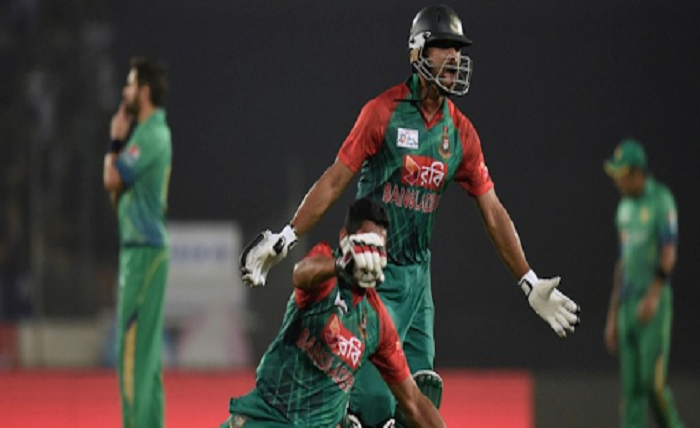
Cricket in Bangladesh transcends being a recreational activity. Since the late 20th century, the sport has become deeply intertwined with expressions of cultural identity, political symbolism, and social belonging. From local playgrounds to international arenas, cricket has emerged as a unifying force, particularly in moments of national triumph or crisis. Its role extends beyond the scoreboard, shaping narratives of pride and resilience in a country that has undergone significant transformations.
Cricket as a Cultural Phenomenon
The rise of cricket in Bangladesh parallels its evolution as a modern nation. The sport gained prominence after independence in 1971, when Bangladesh sought to establish itself on the global stage. Cricket matches, whether local tournaments or international fixtures, became opportunities for collective participation. National victories against established cricketing powers symbolized the assertion of identity and capability, resonating strongly with a population eager for recognition.
Betting and the Modern Fan Experience
In these cultural contexts, cricket discussions often go hand in hand with betting conversations. Fans and analysts do not simply watch the matches; they actively explore probabilities, forecasts, and performance data to inform their choices. Platforms such as baji live provide opportunities to place wagers on outcomes, turning statistical insights into actionable decisions. Betting becomes part of the excitement, offering a way for enthusiasts to test their predictions against real match results and stay even more invested in the game.
Historical Development of Cricket in Bangladesh
The introduction of cricket during the British colonial period laid the groundwork for its later adoption. However, it was after independence that cricket became central to Bangladesh’s cultural identity. The Bangladesh Cricket Board (BCB), established in 1972, worked toward international recognition, culminating in the country achieving Test status in 2000. This milestone was not just about sport but also about asserting global legitimacy, a moment celebrated as a collective national achievement.
The Role of Media and Fan Culture
Television broadcasts and later digital platforms transformed cricket from a stadium-based spectacle into a household experience. Matches are followed with intensity across rural and urban areas alike, with fans painting their faces, waving flags, and gathering in public squares to celebrate victories. Social media now extends these traditions, creating digital communities where cricket serves as both entertainment and an expression of national identity.
Prominent Bangladeshi Cricketers
Male Cricketers
- Shakib Al Hasan
Regarded as one of the world’s top all-rounders, Shakib has represented Bangladesh since 2006. Known for his versatility as both a left-handed batsman and left-arm spinner, he has captained the national team and been instrumental in many landmark victories. - Tamim Iqbal
A prolific opening batsman, Tamim is celebrated for his aggressive style and consistency. He became the first Bangladeshi player to score 10,000 runs in international cricket across formats. - Mashrafe Mortaza
Known as the “Narail Express,” Mortaza is a fast bowler and former captain. Beyond cricket, he is active in politics, symbolizing the deep connection between sport and civic life in Bangladesh. - Mushfiqur Rahim
A wicketkeeper-batsman with over a decade of international experience, Rahim is admired for his resilience and technical skill. His leadership has been crucial during pivotal matches. - Mustafizur Rahman
Nicknamed the “Fizz,” Mustafizur is a left-arm fast-medium bowler known for his cutters and effectiveness in limited-overs formats. His success in the Indian Premier League (IPL) brought him international recognition.
Female Cricketers
- Salma Khatun
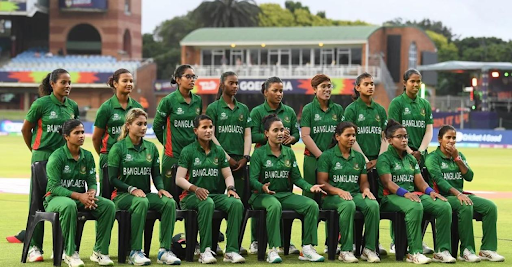
An all-rounder and former captain of the Bangladesh women’s team, Salma has been central to the development of women’s cricket in the country. She played a vital role in Bangladesh’s victory at the 2018 Women’s Asia Cup. - Jahanara Alam
A right-arm medium-fast bowler, Jahanara was the first Bangladeshi woman to take a five-wicket haul in a Twenty20 International. She continues to inspire young female cricketers. - Rumana Ahmed
Known for her spin bowling and middle-order batting, Rumana has been a consistent performer for the women’s national side. She is respected for her adaptability and leadership qualities. - Fargana Hoque
A top-order batter, Fargana became the first Bangladeshi woman to score an ODI century, highlighting her role in advancing women’s cricket in Bangladesh.
Cricket and National Celebrations
Victories in cricket tournaments often transcend sport to become national celebrations. For example, wins in Asia Cup or World Cup qualifiers are treated as symbols of progress. Streets fill with jubilant crowds, illustrating how cricket acts as a catalyst for unity, cutting across regional, class, and generational divides.
Global Recognition and Challenges
While Bangladesh has produced moments of brilliance on the global stage, consistency remains a challenge. International cricket has exposed structural issues such as infrastructure limitations, financial pressures, and the need for stronger domestic development. Despite this, the very act of competing at the highest level reinforces Bangladesh’s presence on the global sporting map.
Women’s Cricket and Social Change
The rise of the women’s national cricket team represents both sporting progress and broader social transformation. Female athletes have challenged traditional gender roles, inspiring a new generation. Achievements such as winning the Asia Cup not only elevate the sport but also signal changing attitudes toward women in Bangladeshi society.
Cricket as a Marker of National Identity
Cricket in Bangladesh is inseparable from the country’s sense of identity. The sport operates as a mirror reflecting aspirations, struggles, and achievements. It provides a common language that unites diverse groups, reinforcing bonds of community while simultaneously projecting an image of resilience to the outside world.
Conclusion
Cricket in Bangladesh embodies more than athletic competition. It symbolizes pride, unity, and resilience, functioning as a central thread in the fabric of national identity. Whether through the exploits of legendary cricketers or the collective celebration of fans, the sport continues to serve as an enduring emblem of Bangladesh’s journey on the global stage.