
The future of sports in Bangladesh is changing before our eyes. The government is actively investing in national teams and supporting talented young people. Will these efforts bring results?
Local fans closely follow the performances of athletes from their country. To make this easier, you can use the 888STARZ download APK. It offers live streams, statistics, and other useful sports information.
How Bangladesh Has Developed Sporting Talent So Far
For a long time, sports development in Bangladesh was built around one institution. It was the BKSP sports institute. It created the first “golden pool” of professional sporting talent in the country. Bangladeshi cricket legends such as Shakib Al Hasan, Mushfiqur Rahim, and many others graduated from this institute. Over time, systematic sports talent development in Bangladesh led to several major achievements:
- In 2020, the Bangladesh U-19 cricket team won the ICC World Cup;
- In 2021, Roman Shana won a silver medal at the World Cup stage in Paris;
- In 2022 and 2024, the women’s football team won the SAFF Championship twice in a row.
The government is now increasing funding for the entire sector. Sport is receiving record state subsidies, with more than BDT 2,500 crore allocated for the current season. Most of the money will go towards new facilities and infrastructure. Another part will support sports federations. The government has also allocated funds for scholarships for young athletes.
The Importance of Youth Academies and School Sports Programs
Government-run Bangladesh sports academies have become a key driver of growth. In 2026, the large-scale Notun Kuri Sports project was launched. More than 160,000 children already take part in it. The programme looks for talented children aged 10 to 14 in all districts.
The changes have also affected cricket and football youth development. Foreign specialists are being invited to the country. British coach Gerard Jones develops football, while Australian experts train young cricketers.
Special attention is also being paid to women’s sport, which faced social barriers for a long time. UNICEF and the BFF are now building training centres for girls and opening a path for them into professional sport.
Sports tournaments have been officially linked to the school education system. Schoolchildren and students can now receive scholarships for success in sport. This allows Bangladesh young athletes to combine education with regular training.
Which Sports Offer the Biggest International Opportunities?
Cricket and football still offer the country the main international opportunities. In cricket, the BCB High Performance Academy prepares athletes for franchise leagues such as the IPL and BPL. In football, the BFF Elite Academy in Dhaka prepares young athletes for national leagues in South Asia.
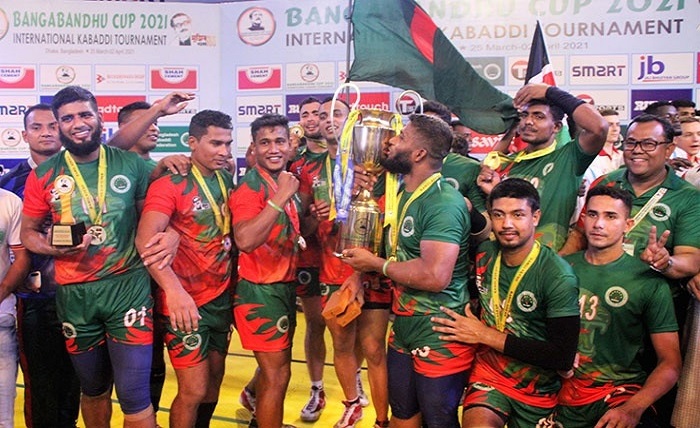
At the same time, prospects are also growing in individual sports. In archery, the Bangladeshi school led by Korean coach Martin Frederick is considered strong. It has already brought athletes such as Diya Siddique into the elite of world sport. Shooting and kabaddi also bring regular medals.
The Challenges Facing Young Athletes in Bangladesh
Many Bangladesh young athletes face a shortage of equipment. Remote regions also lack modern indoor sports complexes. Funding is still insufficient.
The personal financial difficulties of many families also play an important role. Parents of talented athletes often require them to choose a traditional academic career. All this reduces the country’s sporting potential.
What Could Help Create the Next Generation of Sports Stars?
Creating champions requires systematic steps from the government. First, the authorities are building modern infrastructure. Ten Sports Villages are being constructed across the country. Indoor swimming pools are being built in 22 districts. The first multifunctional sports complex is already under construction in Narayanganj.
Second, the government is providing athletes with financial stability. The introduction of unified sports cards gives them social protection. As a result, sport is becoming a full-time profession.
Third, competition reform has increased match practice. The competitive season for young athletes now lasts six months without breaks. Regular matches from autumn to spring improve their skills.
This comprehensive approach opens the way to a successful future of sports in Bangladesh. All these measures will help develop a new generation of Bangladesh international athletes.