
Introduction
The concept of lunchnewsletter has become a powerful approach in modern digital communication, where concise, valuable content is delivered directly to readers at a specific time of day. A lunchnewsletter typically focuses on short, engaging updates that users can consume during their lunch break, making it highly effective for attention retention and daily engagement.
A lunchnewsletter works because it fits naturally into human behavior patterns, especially the midday break when people look for light, informative reading. Businesses, creators, and marketers use a lunchnewsletter strategy to build trust and keep audiences consistently engaged without overwhelming them.
In the digital content ecosystem, a lunchnewsletter stands out due to its timing, simplicity, and relevance. Unlike long-form newsletters, it prioritizes clarity and quick consumption, making it ideal for mobile readers and busy professionals.
Why LunchNewsletter Matters in Modern Digital Marketing
A lunchnewsletter is important in digital marketing because it aligns with user habits and attention spans. People often check emails during lunch hours, making this format highly strategic for engagement and click-through rates.
The lunchnewsletter approach helps brands stay present in the minds of their audience without being intrusive. Since it is short and timely, readers are more likely to open and interact with it compared to lengthy promotional emails.
Another reason a lunchnewsletter matters is its ability to create consistent touchpoints. Daily or weekly delivery builds familiarity, and over time, this consistency strengthens brand loyalty and audience trust.
In addition, a lunchnewsletter allows marketers to test content quickly. Because it is shorter in format, performance metrics can be analyzed faster, helping refine strategies efficiently.
Key Elements of a Successful LunchNewsletter
A successful lunchnewsletter depends on clarity, relevance, and timing. The most important element is delivering value within a short format so readers can consume it within minutes.
A strong lunchnewsletter also includes a clear subject line. This determines whether users will open the email or ignore it. The subject must be engaging, direct, and curiosity-driven.
Content structure plays a major role in a lunchnewsletter. Typically, it includes a headline, a short summary, and a call-to-action. This structure ensures readers get information quickly without feeling overwhelmed.
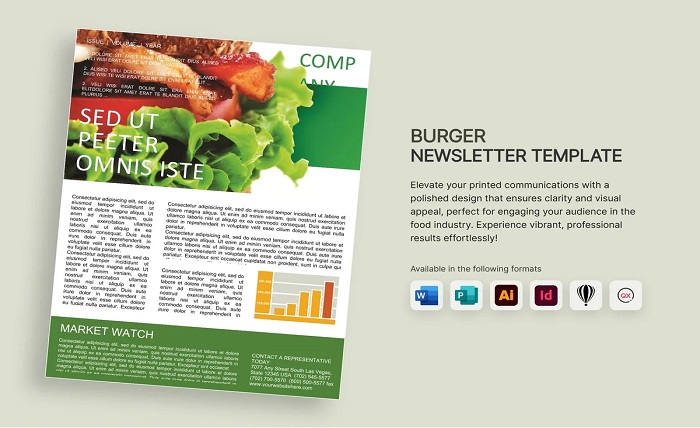
Design simplicity is another crucial factor in a lunchnewsletter. Minimal visuals, clean formatting, and mobile optimization ensure better readability and engagement across devices.
Content Strategy for LunchNewsletter Growth
A strong content strategy is essential for scaling a lunchnewsletter audience. The content must be relevant, timely, and aligned with reader interests to maintain consistent engagement.
One effective lunchnewsletter strategy is focusing on niche topics. Instead of covering broad themes, narrowing down the subject increases authority and attracts a loyal readership.
Storytelling is another key component of a lunchnewsletter content strategy. Even short updates can include narratives, insights, or real-world examples to make content more relatable and engaging.
Consistency also defines a successful lunchnewsletter strategy. Whether daily or weekly, maintaining a schedule ensures audience expectations are met and engagement remains stable over time.
Audience Engagement Techniques in LunchNewsletter
Engagement is the core strength of any lunchnewsletter, and it depends on how well the content connects with readers. Personalization is one of the most effective techniques to increase interaction.
A lunchnewsletter can improve engagement by segmenting audiences based on preferences. This allows tailored content delivery, which significantly increases open and click rates.
Interactive elements also enhance a lunchnewsletter experience. Including polls, questions, or feedback requests encourages readers to participate actively rather than passively consuming content.
Another powerful engagement method in a lunchnewsletter is storytelling with actionable insights. Readers are more likely to engage when they feel the content is useful and applicable to their daily lives.
Monetization Opportunities with LunchNewsletter
A lunchnewsletter can become a strong revenue source when monetization strategies are implemented correctly. One of the most common methods is sponsored content placement.
Affiliate marketing is another effective monetization approach for a lunchnewsletter. By recommending relevant products or services, creators can earn commissions while maintaining audience trust.
Subscription models also work well for a lunchnewsletter. Offering premium content, exclusive insights, or early access can encourage readers to pay for additional value.
Additionally, a lunchnewsletter can generate income through partnerships. Brands often collaborate with newsletter creators to reach targeted audiences in a more personalized format.
Tools and Platforms for LunchNewsletter Creation
Choosing the right tools is essential for building and managing a lunchnewsletter efficiently. Email marketing platforms simplify distribution, automation, and analytics tracking.
A lunchnewsletter can be created using platforms that offer templates and design customization. These tools help maintain visual consistency while saving time during content creation.
Automation tools are especially useful for scaling a lunchnewsletter. They allow scheduled sending, segmentation, and performance tracking without manual effort.
Analytics tools also play a key role in optimizing a lunchnewsletter. By tracking open rates, click rates, and engagement patterns, creators can continuously improve content performance.
Common Challenges and Solutions in LunchNewsletter
Running a lunchnewsletter comes with challenges such as maintaining consistency and keeping content fresh. Over time, creators may struggle with idea generation.
One solution for lunchnewsletter content fatigue is maintaining a content calendar. Planning topics in advance ensures a steady flow of ideas and reduces last-minute pressure.
Another challenge in a lunchnewsletter is audience retention. If content becomes repetitive, readers may lose interest. Adding variety in topics and formats helps solve this issue.
Deliverability is also a concern for a lunchnewsletter. Emails may land in spam folders if not optimized properly. Using clean formatting and verified sending practices helps improve inbox placement.
Conclusion
A lunchnewsletter is more than just an email format; it is a strategic communication tool that builds consistent engagement and long-term audience relationships. Its simplicity and timing make it highly effective in today’s fast-paced digital environment.
When executed correctly, a lunchnewsletter can drive strong engagement, create monetization opportunities, and establish brand authority. The key is to maintain value, consistency, and relevance in every issue.
Ultimately, the success of a lunchnewsletter depends on understanding audience behavior and delivering content that fits naturally into their daily routine.
FAQs
1. What is a lunchnewsletter?
A lunchnewsletter is a short, engaging email sent during midday hours, designed for quick reading and high engagement.
2. Why is lunchnewsletter effective?
A lunchnewsletter is effective because it aligns with lunch break habits when users are more likely to check emails.
3. How often should a lunchnewsletter be sent?
A lunchnewsletter can be sent daily or weekly depending on content availability and audience preference.
4. Can a lunchnewsletter be monetized?
Yes, a lunchnewsletter can be monetized through ads, affiliate marketing, sponsorships, and subscriptions.
5. What tools are best for creating a lunchnewsletter?
Email marketing platforms with automation, analytics, and templates are ideal for managing a lunchnewsletter efficiently.